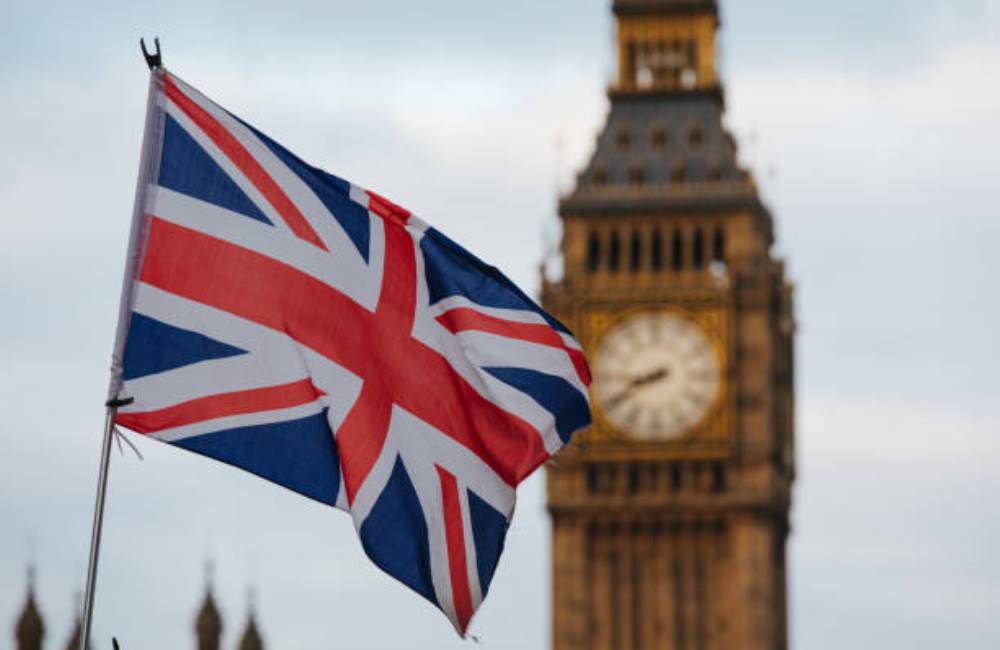
The Prime Minister of the United Kingdom is one of the most significant political figures in both Britain and the global stage. As the head of government, the Prime Minister (PM) holds considerable power, though their authority is balanced by a system of checks and balances, including the monarchy, the Parliament, and the judiciary. This article explores the role, powers, responsibilities, and impact of the British Prime Minister.
Historical Evolution
The office of the Prime Minister did not exist in the form we recognize today at the time of the United Kingdom’s creation. The role evolved gradually from the first ministerial positions in the early 18th century, most notably during the premiership of Sir Robert Walpole (1721–1742). Walpole is considered by many to be the first “de facto” Prime Minister due to his leadership in the House of Commons and his ability to influence Cabinet decisions, despite not having an official title.
The title of “Prime Minister” was not formally recognized until the 19th century, but the position had already become central to British government by that time. The evolution of parliamentary democracy meant that power gradually shifted from the monarchy to an elected government, with the Prime Minister leading the country on behalf of the monarch and Parliament.
Role and Powers of the Prime Minister
The British Prime Minister is the head of government, but not the head of state. The monarch, currently King Charles III, serves as the ceremonial head of state. The Prime Minister’s responsibilities include:
- Leadership of the Government: The Prime Minister is the leader of the government and is responsible for the administration of the country. This includes overseeing the implementation of policies, managing the civil service, and directing government departments. The PM appoints Cabinet ministers, who head specific government departments like Health, Education, and Defence.
- Forming a Government: After a general election, the Prime Minister is typically the leader of the political party that has won the most seats in the House of Commons. The PM is appointed by the monarch but must have the confidence of the House of Commons, meaning they must maintain a majority of MPs in support of their government.
- Policy and Legislation: The Prime Minister plays a crucial role in setting government policy and introducing legislation. While individual MPs may propose bills, the PM and Cabinet are the driving force behind major pieces of legislation. They also influence the national agenda, both domestically and internationally.
- International Representation: The Prime Minister represents the UK on the world stage, leading diplomatic relations, engaging in negotiations, and representing Britain at summits and international forums. This includes making decisions on issues such as defense, foreign aid, trade agreements, and climate change.
- National Security: The Prime Minister is responsible for national security and defense, directing military and intelligence agencies. In times of crisis, the PM must take swift action to ensure the safety of the nation, whether in response to terrorism, natural disasters, or other emergencies.
- Appointing the Cabinet: The Prime Minister has the power to appoint members of the Cabinet, which is the key decision-making body of the government. The PM can also reshuffle the Cabinet, changing ministers’ portfolios, or even dismissing them from office.
Relationship with Parliament
Although the Prime Minister holds significant power, this power is not unchecked. The Westminster system of government means that the PM must maintain the confidence of the House of Commons, which is composed of elected Members of Parliament (MPs). If the PM loses a vote of confidence, they are expected to either resign or call a general election.
The House of Lords, which is the upper chamber of Parliament, plays a secondary role in scrutinizing government policies, but it does not have the power to veto legislation outright. Most legislation is introduced in the House of Commons, where the Prime Minister and their party must have a majority to pass laws.
The Prime Minister is also held to account by Parliament through Question Time, which occurs weekly in the House of Commons. During this session, MPs, including the Leader of the Opposition, have the opportunity to ask the Prime Minister questions on any topic, including policy decisions, current events, and national issues.
The Role of the Monarch
While the monarch is the formal head of state, their role in government is largely ceremonial. The monarch invites the leader of the majority party to form a government, formally appointing them as Prime Minister. The monarch also signs bills into law, but this is considered a formality, as the Prime Minister advises the monarch on the matter. The monarch’s involvement in day-to-day politics is limited, and real political power rests with the Prime Minister and Parliament.
The Prime Minister’s Leadership Style
The success of a Prime Minister often depends on their leadership style and ability to manage both their Cabinet and the wider political landscape. A Prime Minister must balance competing interests, maintain party unity, and navigate public opinion. Some notable leadership styles in recent history include:
- Winston Churchill (1940–1945, 1951–1955): Known for his resolute leadership during World War II, Churchill’s famous speeches and steadfast determination inspired Britain during one of its darkest hours.
- Margaret Thatcher (1979–1990): The “Iron Lady,” Thatcher was known for her strong-willed and often polarizing approach to government. She led Britain through significant economic changes, privatizing state-owned industries and reducing the power of trade unions.
- Tony Blair (1997–2007): A Labour Prime Minister, Blair is known for modernizing the party, promoting a centrist agenda, and playing a key role in the Good Friday Agreement, which brought peace to Northern Ireland.
- Boris Johnson (2019–2022): Johnson’s premiership was defined by his leadership during the Brexit referendum and the COVID-19 pandemic. His colorful personality and ability to communicate directly with the public earned him both admiration and criticism.
Challenges Faced by the Prime Minister
The role of Prime Minister comes with immense challenges. Key challenges include:
- Political Division: Divisions within the ruling party or between political parties can make it difficult for the Prime Minister to implement their agenda. This was seen during the Brexit negotiations, where the UK’s future relationship with the EU divided both the Conservative Party and the wider public.
- Economic Crises: Economic downturns, recessions, or financial crises often force the Prime Minister to make tough decisions about austerity, taxation, and public spending.
- Public Opinion: Public perception can change quickly, and a Prime Minister who loses the support of the electorate may struggle to govern effectively. Maintaining popular support is essential for securing a successful term in office.
- Global Challenges: The Prime Minister must also navigate global issues such as terrorism, climate change, and international conflicts, balancing domestic concerns with the need to uphold Britain’s role on the world stage.
Conclusion
The British Prime Minister plays a pivotal role in the governance of the United Kingdom, wielding significant influence over the nation’s policies, national security, and international relations. While their power is tempered by the checks and balances of Parliament and the monarchy, the Prime Minister remains a central figure in shaping the country’s future. From Churchill’s wartime leadership to the challenges of Brexit, the position of Prime Minister has been central to Britain’s history and will continue to be vital in addressing the complex issues of the 21st century.
 Britain Politics
Leave a comment