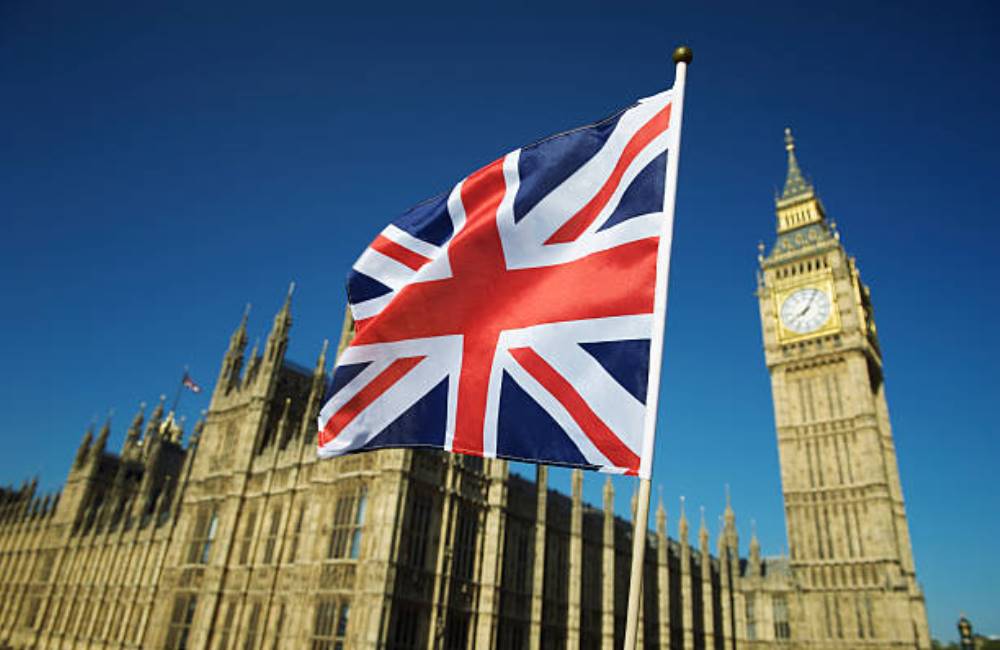
British politics is a dynamic and multifaceted system shaped by centuries of history, tradition, and evolving social, economic, and cultural forces. At its core, it is a parliamentary democracy, meaning the government is formed by elected representatives and is accountable to Parliament, the supreme legislative body in the United Kingdom.
British Parliament
The central feature of British politics is the role of the two Houses of Parliament—the House of Commons and the House of Lords. The House of Commons is composed of Members of Parliament (MPs), who are directly elected by the public in general elections.
These elections, which are held at least every five years, decide the composition of the House and, by extension, the government. The party that wins the most seats typically forms the government, with its leader becoming the Prime Minister.
The Prime Minister is the head of the government and holds significant power, including setting the agenda for the country, representing the UK internationally, and overseeing the functioning of the executive branch. However, the Prime Minister is not directly elected by the people; rather, they are the leader of the party that has secured a majority in the House of Commons.
If no party gains an outright majority, a situation known as a “hung parliament” arises, often leading to coalition governments or minority administrations, where the Prime Minister relies on the support of smaller parties to govern.
Alongside the Commons, the House of Lords plays a key role in British politics, although it is not an elected body. Instead, its members are appointed, with a mixture of life peers, bishops, and hereditary peers.
While the House of Lords does not have the same legislative power as the Commons, it performs a vital function in scrutinizing and revising legislation. The House of Lords can delay bills and suggest amendments, but ultimately, it is the elected House of Commons that has the final say.
Political Parties
The political landscape in the UK is largely dominated by two main parties: the Conservative Party and the Labour Party. The Conservatives, historically associated with center-right, pro-market policies, and a commitment to national sovereignty, often emphasize law and order, a strong defense, and fiscal conservatism.
The Labour Party, traditionally the party of the working class and trade unions, advocates for social justice, welfare programs, and a more significant role for the state in the economy. Over the decades, these parties have undergone significant shifts in policy and ideology, but they remain the primary contenders for power.
In recent years, British politics has been increasingly shaped by issues surrounding the UK’s membership in the European Union. The Brexit referendum in 2016 was a turning point, where a slim majority voted to leave the EU, a decision that has dominated political discourse ever since.
The aftermath of the referendum has led to a period of political instability, as debates over how and when to leave the EU caused deep divisions within the major political parties, with resignations, leadership changes, and shifting party alliances. The impact of Brexit continues to be felt, affecting trade, immigration, and the broader political landscape.
The UK’s political system is also marked by the influence of smaller parties, including the Scottish National Party (SNP), the Liberal Democrats, the Green Party, and others. The SNP, for instance, advocates for Scottish independence and has gained significant support in Scotland, reshaping the political map of the country. The rise of regional parties and growing demands for devolution have added new layers of complexity to British politics, with issues of nationalism, regional autonomy, and the future of the United Kingdom itself becoming more prominent.
Movements, Interest Groups, Media
In addition to party politics, British political life is shaped by a wide range of social movements, interest groups, and public campaigns. Issues such as climate change, immigration, housing, education, and the National Health Service (NHS) are often at the forefront of political debate. The NHS, in particular, is a central tenet of British political identity, with debates over its funding and future frequently sparking intense discussion.
British politics is also deeply influenced by the media, which plays a crucial role in shaping public opinion and setting the political agenda. The UK has a highly competitive media landscape, with a range of newspapers, broadcasters, and online platforms offering diverse perspectives on political issues. Media outlets such as the BBC, The Guardian, The Times, and The Daily Mail hold significant sway, often influencing the national conversation and the fortunes of political parties.
Foreign Relations
The relationship between Britain and the rest of the world also plays an important role in shaping domestic politics. The UK’s role as a former colonial power and its global standing continue to influence political debates on issues such as trade, defense, and foreign policy.
The country’s close relationship with the United States, its role in the United Nations, and its evolving trade agreements post-Brexit are just a few of the factors that influence the political direction of the country.
Political Challenges
Despite its history of stability, British politics is in a state of flux. The country faces significant challenges, including the rise of populism, increasing political polarization, and complex debates around identity, immigration, and the economy.
At the same time, there is growing public awareness of issues like climate change and social inequality, which are likely to play an increasing role in the political conversation in the years to come.
The ongoing tension between the UK’s traditional institutions and the desire for reform and innovation ensures that British politics remains both deeply rooted in history and continually evolving to meet the demands of the present.
Role of the British Monarchy
The British monarchy, though not involved in daily political decisions, plays a crucial role in the country’s governance by providing stability, continuity, and a sense of national identity.
As a constitutional institution, the monarchy’s powers are largely symbolic, with political power residing in Parliament and the government. The monarch’s ceremonial duties, such as the State Opening of Parliament and granting royal assent to laws, serve as visible reminders of the nation’s history and traditions.
The monarchy also acts as a unifying figure, especially during times of political crisis or national uncertainty, offering a sense of neutrality and stability. It helps maintain the functioning of the political system during moments of division, such as in the appointment of a Prime Minister in a hung parliament.
Additionally, members of the royal family are involved in charitable work, supporting causes like mental health, environmental conservation, and veterans’ welfare, which promotes civic responsibility and social cohesion. The monarchy also strengthens the UK’s international standing, contributing to its soft power and diplomatic relationships.
Overall, while the monarchy’s role in governance is limited, its presence fosters public confidence, national pride, and continuity, supporting the democratic process even in times of political instability.
 Britain Politics
Leave a comment