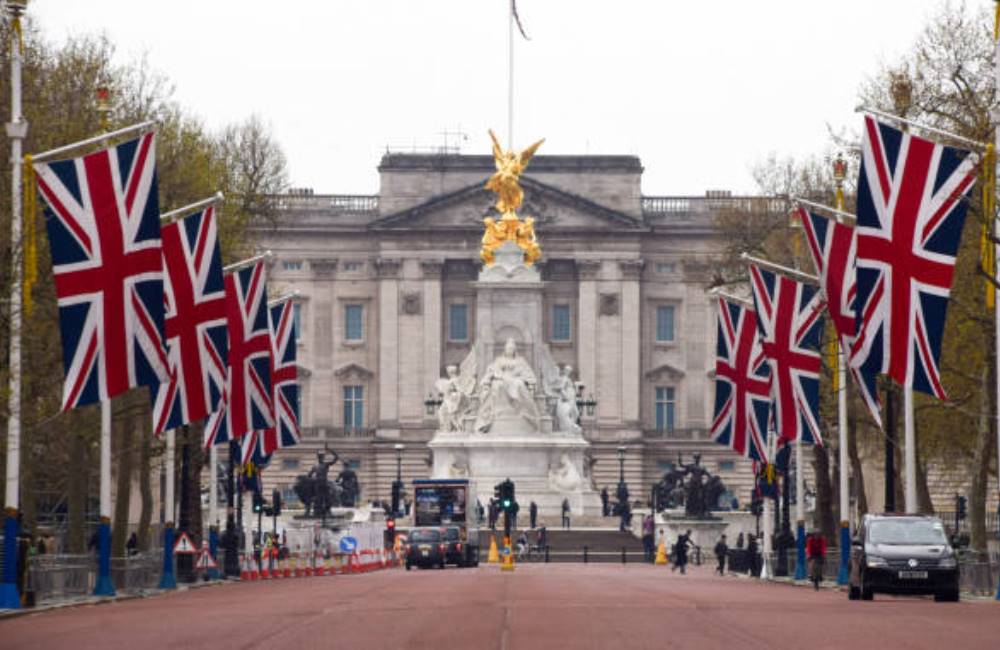
The British monarchy, while not a direct participant in day-to-day political affairs, plays an important role in British politics, serving as a stabilizing and unifying force in the country’s governance.
The monarchy is a constitutional institution, meaning that its powers are largely symbolic and ceremonial, with the political power resting in Parliament and the government. However, its presence provides continuity, tradition, and a sense of national identity, playing a significant part in fostering public confidence and loyalty to the state.
The monarch’s role, enshrined in the principles of constitutional monarchy, is primarily to serve as a figurehead who embodies the unity and history of the nation.
The monarch’s ceremonial duties include the State Opening of Parliament, granting royal assent to laws passed by Parliament (a formality without which no law can take effect), and performing diplomatic functions, such as receiving foreign ambassadors. These duties, while ceremonial, are a visible reminder of the country’s stability and tradition, bridging the past with the present.
One of the key roles the monarchy plays is in times of national crisis or uncertainty. During moments of political division or societal upheaval, the monarch can serve as a neutral and unifying figure, offering a sense of stability when the political landscape is fractious.
For example, in periods of political deadlock or constitutional uncertainty, the monarch’s role as an impartial actor can help maintain the functioning of the political system, as seen in the dissolution of Parliament or the appointment of a Prime Minister in a hung parliament situation.
In addition, the monarchy is often seen as a source of national pride, promoting charitable work and social causes. Many members of the royal family are deeply involved in charitable organizations, drawing attention to issues such as mental health, environmental conservation, education, and military veterans’ welfare. This charitable work contributes to the social fabric of the nation, encouraging civic responsibility and volunteerism among the public.
Moreover, the monarchy plays an important role in shaping the UK’s international standing, particularly in diplomacy and fostering relationships with other countries. As a globally recognized institution, the monarchy has historically acted as a symbol of continuity and stability on the world stage, strengthening the UK’s soft power and its relationships with other nations.
While the monarchy’s influence in direct governance is limited, its enduring presence offers a sense of continuity and national identity that transcends the often-changing political landscape. This stabilizing role is particularly important in maintaining public trust in the democratic process, even during times of political instability or division.
 Britain Politics
Leave a comment